















 |
|||||||||||||||||||||||||||||||||||||||||||||||||||||||||||||||||||||||||||||||||||||||||||||||||||||||||
| Physiotherapy management in Burns: | |||||||||||||||||||||||||||||||||||||||||||||||||||||||||||||||||||||||||||||||||||||||||||||||||||||||||
Rehabilitation of a Burns patient begins with the moment He or she arrives at our centre & is an changing process that may need to be modified daily. The physical rehabilitation consist of prevention of scar contracture, restoration of normal range of motion( ROM),prevention and minimization of hypertrophic scar and improvement in muscular strength and cardiovascular endurance and to help the burns victim to return to function and performances of activities of daily living. The physical therapist interacts with other members of the burn team to assist patient in obtaining these outcomes. Patients can expect to return to a normal and productive life provided he/she complies with the treatment plan. For most patients the most difficult phase of rehabilitation occurs after the wound has healed and scar tissue begins to contract. If a physical therapist is actively involved in the burns treatment team and can establish a programme of movement rehabilitation in conjunction with the wound healing process, rehabilitation after healing will be much easier and more successful. |
|||||||||||||||||||||||||||||||||||||||||||||||||||||||||||||||||||||||||||||||||||||||||||||||||||||||||
Physiotherapy interventions: |
|||||||||||||||||||||||||||||||||||||||||||||||||||||||||||||||||||||||||||||||||||||||||||||||||||||||||
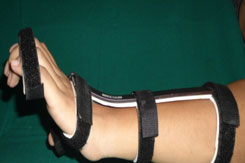
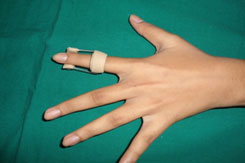
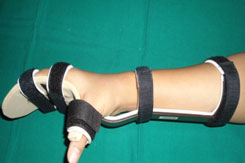
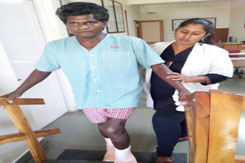
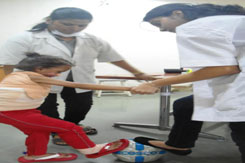
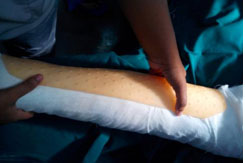
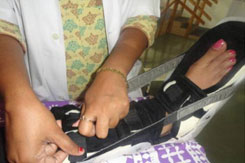
Patients with burn usually begin Physical therapy on the day of admission following assessment and evaluation. The initial assessment of a patient will determine which area needs to be addressed first. Control and resolution of edema and preserving ROM with active assisted or passive exercises are usually the first priority of physical therapy and treatments. Pressure Massage and compression therapy will assist with minimizing contracture formation and management of burn scars. Positioning, splinting and exercise are three relatively simple procedures effective in healing the scar contracture process. |
|||||||||||||||||||||||||||||||||||||||||||||||||||||||||||||||||||||||||||||||||||||||||||||||||||||||||
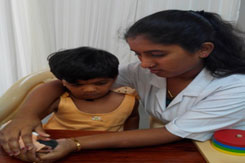
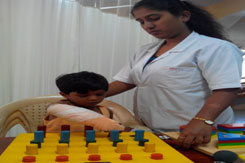
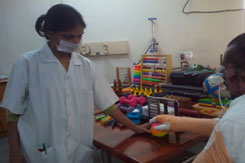
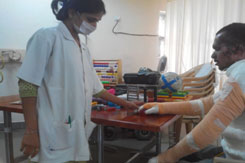
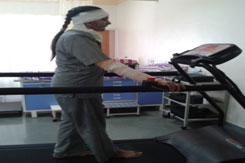
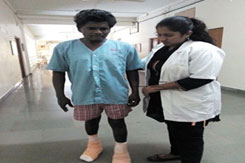
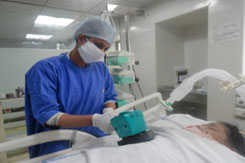
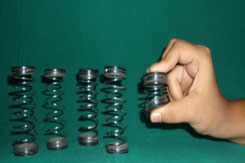
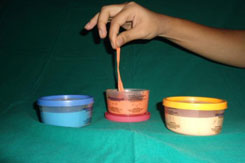
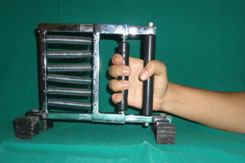
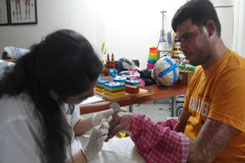
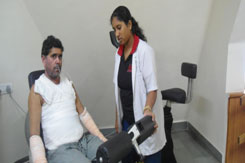
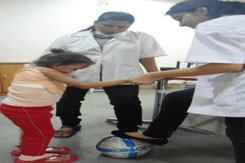
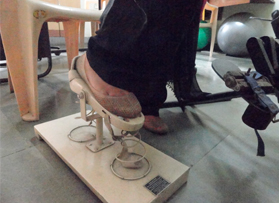
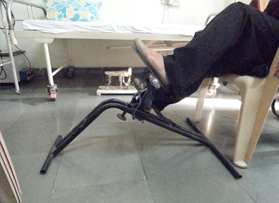
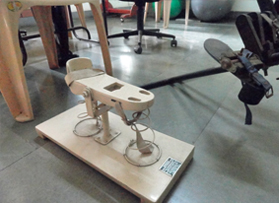
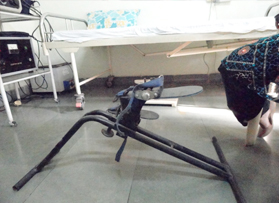
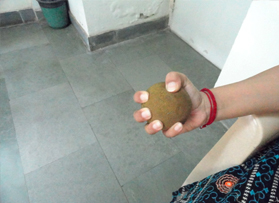
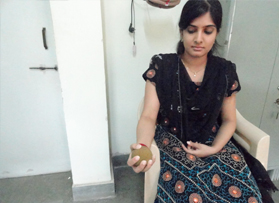
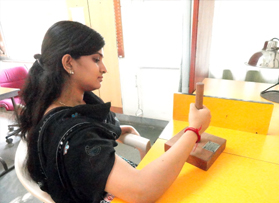
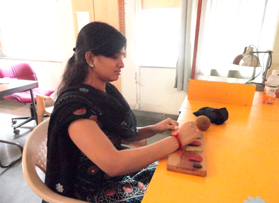
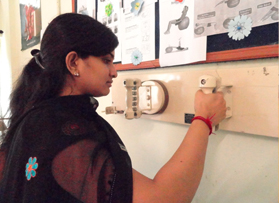
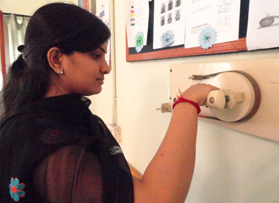
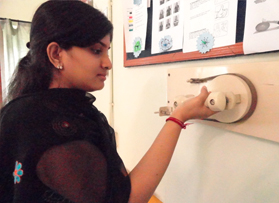
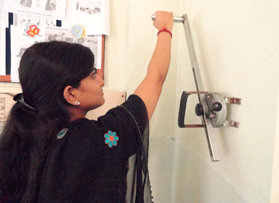
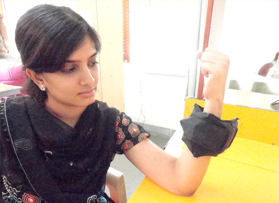
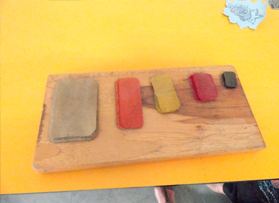
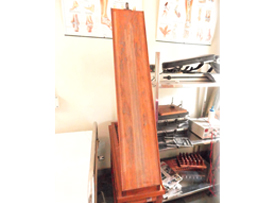
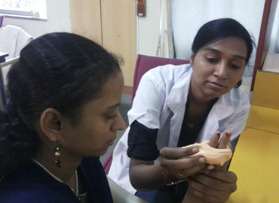
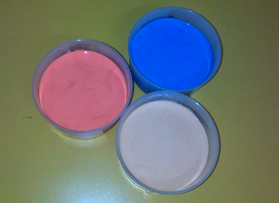
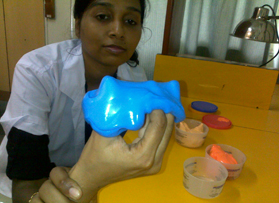
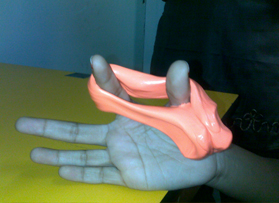
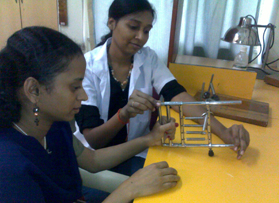
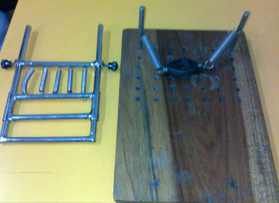
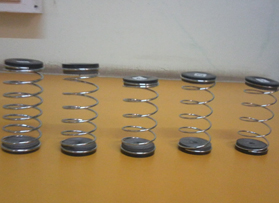
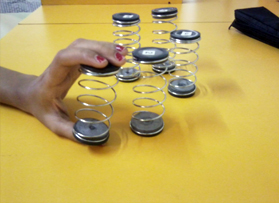
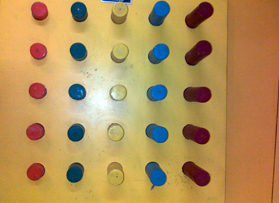
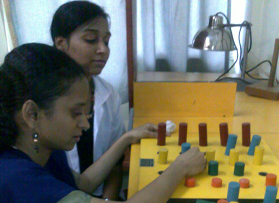
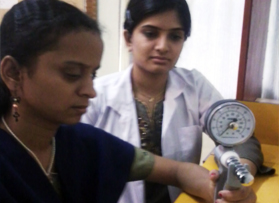
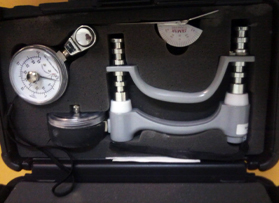
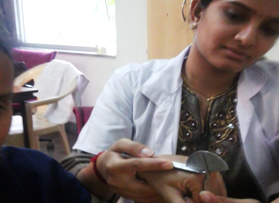
We have the following instruments which are required for full range of physiotherapy exercises:
|
|||||||||||||||||||||||||||||||||||||||||||||||||||||||||||||||||||||||||||||||||||||||||||||||||||||||||




| Copyright © National Burns Centre 2009 - . All Rights Reserved | ||
|